









No products in the cart.
Best Indian Pickles in the UK You Need to Try Today
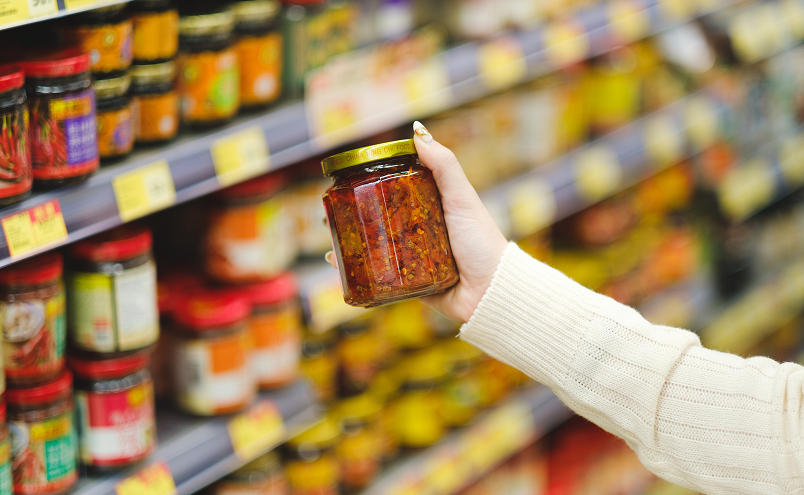
There is something almost nostalgic about the moment you crack open a fresh jar of mango pickle. That sharp, oily waft hits you before you ever even got the lid fully off mustard oil, red chilli, something fermented and deep and completely alive. If you grew up in an Indian home, your stomach just did something. And if you are new to all this, just wait.
Indian food has genuinely taken over British kitchens-not in a trendy here-today-gone-tomorrow way, but properly. Curry nights, street food markets, South Asian restaurants on every high street. The UK gets it. But here is the thing – everyone talks about the curries, the biryanis, the chutneys. Nobody talks enough about the indian pickle UK sitting quietly in the corner of the plate, doing more work than anything else on the table.
That is what this is about. We have pulled everything together in one place – the best types of Indian pickles, the brands actually worth buying, where to find them across the UK, and how to use them beyond the obvious. Whether you are an expat who has not tasted a proper achaar in months or someone who is just pickle-curious, you are in the right place.
Why Indian Pickles Hit Differently
A Western pickle and an Indian pickle are not the same conversation. A gherkin in vinegar does its job. But it is not competing with what a proper Indian achaar brings to the table – not even close.
The difference starts with the oil. Mustard oil – the bold, almost sharp kind that smells like it means business – is the base of most traditional Indian pickles. Then came the whole spices. Fenugreek seeds. Dried red chillies. Turmeric. Asafoetida, just a pinch, doing something mysterious to the flavour that you can’t quite explain. Each ingredient earns its place, and together they create something that’s fiery, tangy, pungent, and completely addictive.
But honestly? Beyond the flavour, there is something more going on. For a lot of Indians living in the UK, a jar of achaar is emotionally loaded. It tastes like someone’s kitchen back home. Like summer holidays where your grandmother would spend the whole afternoon by the window, sunning freshly made pickles in big glass jars. Every family has their own version – their own spice ratios, their own method, passed down without ever being properly written down.
And then there is the sheer variety. What people pickle in Punjab is completely different from what comes out of an Andhra kitchen, which is nothing like a Maharashtrian pickle. That regional depth is part of what makes going down this rabbit hole so rewarding. You could eat a different Indian pickle every week for a year and still not cover everything.
Are Indian Pickles Actually Good for You?
Right, let’s get into this – because yes, your achaar habit might actually be doing you some good.
A lot of traditional Indian pickles are naturally fermented. That means they are full of live cultures – probiotics, essentially – that support gut health and digestion. Anyone who’s had a heavy meal and found that a bit of curd rice with pickle settles everything down will know there is something real going on there. It is not just comfort. There is a biological reason it works.
The spice profile adds another layer of benefit. Turmeric has been used in Indian cooking for centuries – not just for colour, but because people noticed it helped. Fenugreek has long been linked to blood sugar support. Mustard seeds are packed with antioxidants. Even green chilli brings a surprising amount of vitamin C to the mix.
That said – a spoonful, not a bowlful. Indian pickles are generous with salt and oil, both of which add up quickly if you are not paying attention. The way they have always been eaten – a small, intense accompaniment to a larger meal – is exactly the right approach. Your taste buds and your body will both thank you for keeping it that way.
The Pickles Worth Knowing About
Walk into any decent Indian grocer or browse what the best south asian foods UK shops have on their shelves, and you will face an entire wall of pickle jars. Here is what you’re looking at:
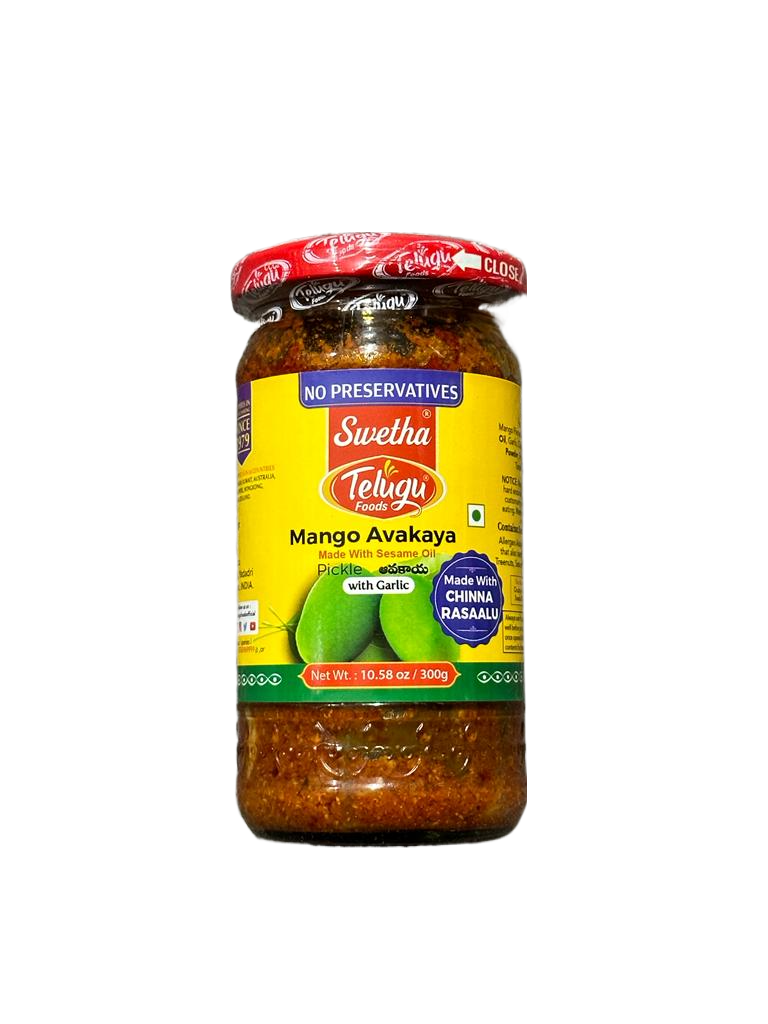
Mango Pickle (Aam ka Achaar) – Start here. Always. Raw green mango, mustard oil, a fierce spice blend that varies by region. Tangy, spicy, deeply savoury. This is the one everyone means when they say Indian pickle.
Lemon Pickle (Nimbu Achaar) – Sharp and punchy in a completely different way to mango. Some versions ferment slowly in their own juice and salt over weeks. Worth every day of the wait.
Mixed Vegetable Pickle – Carrots, cauliflower, turnip, green chilli. A good everyday pickle that works with almost anything. Underrated, honestly.
Garlic Pickle – Not subtle. Not trying to be. Bold, pungent, and the kind of thing you crave once you ever had it even once.
Green Chilli Pickle – Whole chillies, stuffed with spices, preserved in oil. Made specifically for people who think most things are not hot enough.
Amla (Gooseberry) Pickle – Sour, slightly bitter, surprisingly good. Amla on its own is a superfood – pickle it with the right spices and it becomes something genuinely special.
Stuffed Red Chilli Pickle – A North Indian classic that takes real patience to make. Big red chillies stuffed with a spiced filling, slow-cured in mustard oil. If we are being completely honest, we could eat this straight from the jar and feel no regret whatsoever.
Quick Guide to Indian Pickles
| Pickle Name | Taste Profile | Best Paired With |
| Mango Pickle (Aam ka Achaar) | Tangy, spicy, savoury | Dal rice, paratha |
| Lemon Pickle (Nimbu Achaar) | Sharp, punchy, sour | Curd rice, wraps |
| Mixed Vegetable Pickle | Mild, tangy, earthy | Everyday meals |
| Garlic Pickle | Bold, pungent, deep | Flatbreads, kebabs |
| Green Chilli Pickle | Fierce, oily, hot | Rice, grilled meats |
| Amla Pickle | Sour, bitter, sharp | Khichdi, plain rice |
| Stuffed Red Chilli Pickle | Spiced, rich, smoky | Paratha, cheese |
Best Food Pairings for Indian Pickles
Most people discover their favourite pickle pairing completely by accident. You reach for whatever’s in the fridge, add a spoonful of achaar on the side, and suddenly the whole meal makes sense in a way it didn’t before. That is the thing about Indian pickles – they do not just complement food, they complete it.
Here are the pairings worth knowing about:
Dal and Rice – The One That Started It All
If there is a more comforting combination on the planet, we have not found it. Soft, soupy dal poured over plain white rice with a generous spoonful of mango pickle on the side – that is a meal that needs absolutely nothing else. The pickle cuts through the richness of the dal, adds heat, and brings everything together. Simple, honest, perfect.
Paratha and Pickle – A North Indian Classic
Butter-slicked paratha straight off the tawa, torn and dipped into a sharp lemon pickle or a fiery mixed achaar. This is breakfast, lunch, and dinner in millions of Indian homes and there is a very good reason it has not changed in generations. If you have never tried this combination, stop what you are doing and fix that today.
Curd Rice and Pickle – South India’s Greatest Gift
Cool, lightly seasoned curd rice with a small but punchy portion of avakaya or gongura pickle on the side – this is South Indian comfort food at its absolute finest. The creaminess of the curd rice and the sharp heat of the pickle balance each other in a way that feels almost medicinal. After a heavy meal, an upset stomach, or just a long day – this is the answer.
Cheese and Pickle – Sounds Strange, Tastes Brilliant
Do not knock this until you have actually tried it. A sharp mature cheddar or a crumbly Lancashire cheese with a small spoonful of mango pickle on the side does something genuinely unexpected – the sweetness of the mango, the heat of the spices, and the saltiness of the cheese work together in a way that makes complete sense once you experience it. Bring this out at a dinner party and watch people’s faces change.
Flatbreads and Wraps – Your New Favourite Lunch
Forget whatever spread you usually reach for. A thin scrape of lemon pickle inside a chicken wrap, a smear of garlic achaar in a grilled paneer flatbread, or even just mango pickle on a plain buttered roll – any of these will make your lunch feel like considerably more effort went into it than it actually did. Quick, easy, and genuinely delicious.
Grilled Meats and Kebabs – The Underrated Combination
Indian pickles work brilliantly as a side condiment for anything off the grill. Lamb chops, chicken tikka, seekh kebabs – a small dish of mixed vegetable pickle or a sharp green chilli achaar on the side does what a plain raita can’t. It adds heat, tang, and a depth of flavour that cuts right through the smokiness of grilled meat. Try it once and mint sauce starts feeling a little ordinary by comparison.
Khichdi – Pickle’s Most Loyal Partner
Khichdi is rice and lentils cooked down together into something warm and deeply comforting – the kind of food you eat when you need looking after. On its own it is gentle and mild. With a spoonful of fiery mango pickle alongside it, the contrast is extraordinary. Soft and spicy, mild and bold, all in the same mouthful. This pairing has been around for centuries and it’s earned every year of its reputation.
The beauty of Indian pickles is that the list does not really end here. Once you start experimenting – adding a spoonful to a bowl of plain yoghurt, stirring a little into scrambled eggs, spreading it under a pizza base instead of tomato sauce – you realise the only rule is that there are no rules. Start with the classics, then go wherever your curiosity takes you.
Where to Actually Find Indian Pickles in the UK
Indian Grocery Stores – Best option, full stop. London, Birmingham, Leicester, Manchester, Bradford – wherever you are, there is almost certainly an Indian grocery within reach, and their pickle selection will embarrass any supermarket. The staff usually know exactly what they stock and why.
Major Supermarkets – Tesco, Asda, Sainsbury’s, and Waitrose all carry the basics. Fine for a quick pick-up. Do not expect anything beyond Patak’s and maybe one or two others.
Online – Honestly, this is where it gets exciting. Ordering authentic foods online UK-wide means you can access regional brands, specialty items, and products that simply do not exist on any high street shelf. Platforms like Spices of India, Indian Basket, and iShopIndian carry hundreds of products. You can even order Indian vegetables online UK delivery if you want to build a whole meal around your pickle haul.
Sri Lankan Grocers – This one surprises people. A good Sri Lankan shop UK will almost always stock a solid range of Indian pickles alongside their own products. The two food traditions share plenty of overlap, and Sri Lankan shop owners tend to know their condiments. Worth a browse if there is one near you – you will probably find something unexpected.
Food Markets and Melas – Seasonal and unpredictable, but that is part of the charm. Indian cultural events and food festivals often have vendors selling homemade and small-batch pickles you won’t find anywhere else. Keep an eye on local listings.
One tip worth remembering: local Indian-owned independent shops almost always have fresher stock, better variety, and people behind the counter who will actually tell you what is worth buying this week.
Where to Buy Indian Pickles in the UK – At a Glance
| Source | Variety | Convenience | Best For |
| Indian Grocery Stores | ⭐⭐⭐⭐⭐ | ⭐⭐⭐ | Best overall selection |
| Major Supermarkets | ⭐⭐ | ⭐⭐⭐⭐⭐ | Quick everyday pick-up |
| Online Platforms | ⭐⭐⭐⭐⭐ | ⭐⭐⭐⭐⭐ | Authentic foods online UK |
| Sri Lankan Shop UK | ⭐⭐⭐⭐ | ⭐⭐⭐ | Unique finds and variety |
| Food Markets & Melas | ⭐⭐⭐ | ⭐⭐ | Homemade and artisan picks |
| Global Foods Online | ⭐⭐⭐⭐⭐ | ⭐⭐⭐⭐⭐ | South Asian foods UK delivery |
Using Indian Pickles Beyond the Obvious
Most people eat pickles the classic way – a small spoonful alongside dal and rice, or with paratha and yoghurt. Which is perfect. Don’t change that.
But there is more:
In a sandwich or wrap – Swap your usual spread for a thin scrape of lemon pickle. Try it once in a chicken wrap and you will never go back to plain mayo.
In a marinade – A spoonful of pickle stirred into your marinade for chicken, paneer, or tofu does half the seasoning work for you. The spice base is already there.
On a cheeseboard – This sounds odd until you try it. Mango pickle with a sharp mature cheddar is one of those combinations that just works. Unexpectedly brilliant at a dinner party too.
In a salad dressing – The oil from a pickle jar – especially mustard oil-based pickles – makes an incredible base for a dressing. Add a splash of lemon juice and you are done.
Storing Pickle Properly – Learn From Mistakes
We have ruined a perfectly good jar by using a wet spoon. Do not do that. Moisture is the single fastest way to spoil pickles, and it is entirely avoidable.
Keep it simple: always dry spoon, always. Store unopened jars somewhere cool and dark. Once opened, keep it in the fridge. Oil-based pickles will last longer than water-based ones – sometimes significantly longer. And when you are buying from a smaller shop or a market vendor, always check the best-before date. Not because it is usually a problem, but because it is worth knowing.
What to Look For When You are Buying
Not all pickles on the shelf are equal.
A few things worth checking:
Ingredients list – Short is better. If there are more preservatives than actual spices listed, put it back.
The jar – Glass over plastic every time. Better for flavour, better for storage, better full stop. Honestly, if it is in a flimsy plastic tub with a foil peel-off lid, leave it where it is.
The oil base – Mustard oil gives the most authentic, traditional flavour. Sunflower oil is a compromise. Not wrong, just different.
Regional brands – The biggest name on the shelf is not always the best. Regional brands like Bedekar and Priya often have far more interesting, complex flavour profiles than the mainstream options.
Reviews when buying online – A quick scroll through customer feedback saves a lot of disappointing jars.
Conclusion
Indian pickles are one of those things that quietly improve every meal they are part of. A small spoonful and suddenly a plate of simple dal and rice becomes something worth sitting down properly for. They carry history, they carry flavour, and for a lot of people they carry home.
Whether you are an expat who has been craving a proper achaar since you landed, or someone who has never tried one and does not know where to start – the answer is the same. Just open a jar.
At Global Foods, we are here to make that easier. We stock a carefully chosen range of authentic South Asian products – Indian pickles, chutneys, fresh and frozen Indian vegetables, pantry staples, and a whole lot more – available for delivery anywhere in the UK. We care about quality, authenticity, and making sure the food you grew up with (or the food you are discovering) is always within reach.
Contact Global Foods today and let us help you find exactly what you are looking for. We know our stock, we love what we sell, and we are always happy to point you in the right direction.
Frequently Asked Questions (FAQs)
1. Where can I buy Indian pickles in the UK?
From Indian grocery stores, major supermarkets like Tesco and Sainsbury’s, or online specialists. Independent Indian grocers and authentic foods online UK platforms give you the widest range.
2. What Indian pickle should I try first?
Mango pickle – always. It is the most popular, widely available across the UK, and gives you the best introduction to what Indian achaar is all about.
3. Are Indian pickles good for you?
In moderation, yes. They contain gut-friendly probiotics and beneficial spices like turmeric and fenugreek – just go easy on the portions given the salt and oil content.
4. Can I get Indian vegetables delivered online in the UK?
Yes. Several South Asian grocery platforms offer Indian vegetables online UK delivery – fresh, frozen, and pantry staples all included.
5. How long do Indian pickles last once opened?
Three to six months in the fridge, sealed tight, always using a dry spoon. Unopened jars keep for one to two years in a cool, dark cupboard.
 Home
Home  Whishlist
  Compare
  Checkout
  Account