












No products in the cart.
Benefits of Indian Vegetables in UK for Healthy Living
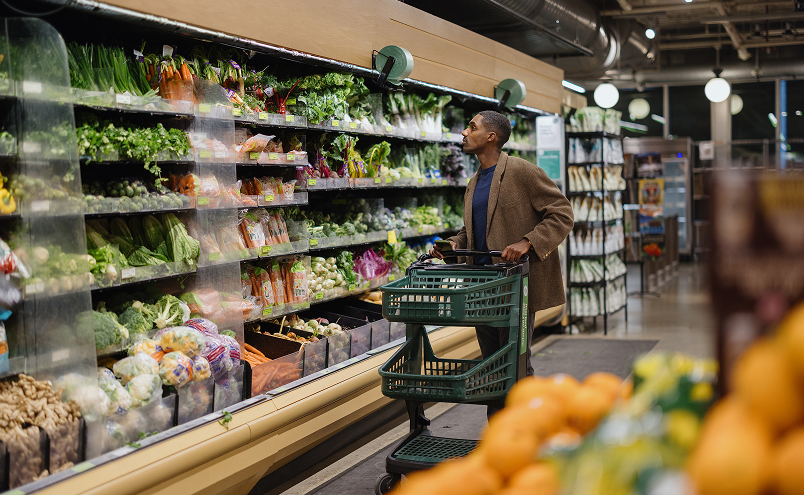
For many South Asian families living in the UK, fresh vegetables are an important part of keeping traditional home cooking alive. A weekly shop may include methi, coriander, ridge gourd, thotakura or drumstick leaves alongside rice, lentils, spices and other everyday ingredients.
These vegetables are not only useful for traditional recipes. They can also bring more variety to modern family meals, whether you are preparing a quick dal after work, making paratha at the weekend or putting together a simple curry for dinner.
The benefits of Indian vegetables in UK come from both their nutritional variety and their versatility in the kitchen. Leafy greens, gourds, herbs and everyday ingredients such as garlic can contribute fibre, vitamins, minerals and other plant nutrients as part of a balanced diet. More importantly, they give UK households more choice when preparing fresh, flavourful meals at home.
What Makes Indian Vegetables a Great Choice for Everyday Meals?
One of the best things about Indian vegetables is that there is rarely just one way to cook them. The same ingredient can often be used in several dishes depending on the recipe, spices and other ingredients available.
Take methi leaf, for example. It can be added to paratha, dal or a vegetable curry. Ridge gourd can be cooked with dal, lightly spiced or made into a comforting curry. Fresh coriander can be used in chutneys, curries and rice dishes, while mint can turn into a quick chutney or refreshing raita.
This flexibility makes these ingredients particularly practical for busy UK households. You can use them in traditional South Asian dishes or adapt them to simple weekday cooking.
They also work naturally with familiar staples such as rice, roti, chapati, pulses and lentils. Instead of completely changing your eating habits, you can simply introduce a wider selection of vegetables into meals you already enjoy.
7 Indian Vegetables and Fresh Ingredients to Try
There is a wide selection of Indian vegetables and fresh ingredients available through specialist food retailers. Here are seven useful options to include in your kitchen.
| Indian Vegetable / Ingredient | What It Adds to Your Diet | Common Meal Idea |
| Thotakura Leaf | Fibre and essential nutrients | Thotakura curry or dal |
| Mint Leaf | Fresh flavour and plant nutrients | Chutney, raita or drinks |
| Methi Leaf | Fibre and nutrients | Methi curry or paratha |
| Ridge Gourd | Water, fibre and nutrients | Ridge gourd curry or dal |
| Coriander Leaf | Fresh flavour and micronutrients | Curries, chutneys or garnishing |
| Garlic | Flavour and plant compounds | Curries, dals and stir-fries |
| Drumstick Leaf | Fibre, vitamins and minerals | Drumstick leaf curry or dal |
The important point is not to focus on one particular vegetable as being better than another. Each ingredient offers something different, and eating a variety of vegetables can help create a more diverse diet.
Key Benefits of Indian Vegetables for Healthy Living
Adding more vegetables to your meals does not need to involve complicated recipes or major changes to your lifestyle. Simple ingredients prepared in familiar ways can make a noticeable difference to the variety of foods you eat.
1. They Help Bring More Variety to Your Diet
Eating the same vegetables every week can make cooking repetitive. Indian vegetables offer plenty of alternatives, particularly if you enjoy experimenting with leafy greens, gourds and fresh herbs.
Thotakura, methi and drumstick leaf each have their own characteristics, while ridge gourd offers a completely different texture. Mint and coriander can add freshness without requiring a separate side dish.
Rotating these ingredients through the week can keep family meals interesting and encourage everyone to try something different.
2. They Can Contribute Dietary Fibre
Vegetables and leafy greens are useful sources of dietary fibre. Ingredients such as thotakura, methi and ridge gourd can form part of meals that also include lentils, pulses, whole grains and other plant foods.
For example, a homemade thotakura dal with rice combines leafy greens and lentils in one familiar meal. Similarly, ridge gourd can be cooked with dal and served with rice or chapati.
Rather than relying on one food for nutrition, a varied plate containing different plant foods is a practical approach to everyday eating.
3. They Provide a Range of Nutrients
Different vegetables contain different combinations of vitamins, minerals and naturally occurring plant compounds. Leafy vegetables can add another type of plant food to your meals, while herbs such as mint and coriander provide fresh flavour alongside their own nutrients.
This is why variety matters. Including several types of vegetables throughout the week gives you the opportunity to enjoy a broader selection of nutrients rather than repeatedly relying on the same ingredients.
4. They Work Well With Balanced Family Meals
Indian vegetables fit naturally into meals that already contain other food groups.
You might serve ridge gourd with dal and rice, prepare methi paratha with yoghurt or cook thotakura alongside lentils. These combinations make vegetables part of the main meal rather than treating them as something that has to be eaten separately.
For families who regularly cook Indian or South Asian food, this makes it much easier to include different vegetables without changing established recipes.
5. They Add Plenty of Flavour
Healthy eating does not have to mean bland food. Fresh coriander, mint and garlic can make simple meals much more enjoyable.
A handful of coriander can finish a curry, mint can be blended into chutney and garlic can add depth to dal or a vegetable stir-fry.
These ingredients are particularly useful when you want to add flavour without making the cooking process complicated.
How to Use Thotakura, Methi, Ridge Gourd and Other Ingredients
If some of these vegetables are new to you, the easiest approach is to start with dishes you already know.
Thotakura Leaf
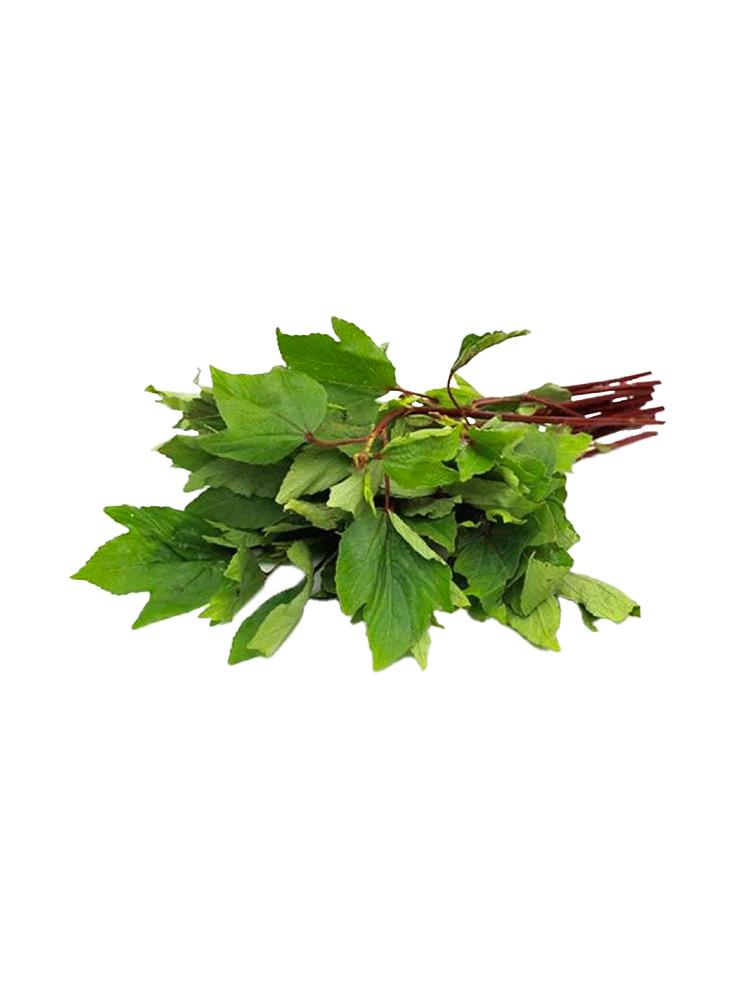
Thotakura leaf can be cooked with dal, spices or other vegetables. A simple thotakura dal served with rice is a practical family meal, while a lightly spiced preparation can work well as a side dish.
Mint Leaf
Mint leaf is extremely versatile. It can be used to prepare chutney, mixed into raita or added to suitable drinks and dishes. Its fresh aroma can instantly change the character of a meal.
Methi Leaf
Methi leaf has a distinctive flavour and is particularly popular in paratha and curry recipes. It can also be incorporated into dal when you want to add leafy greens to a familiar dish.
If you have ever cooked methi, you will know that a large bunch can reduce considerably during cooking, so it is worth planning how much you need before shopping.
Ridge Gourd
Ridge gourd may look unfamiliar if you have not cooked it before, but it is straightforward to use. Once prepared, it works particularly well in curry, dal and lightly spiced vegetable dishes.
Coriander Leaf
Coriander leaf is one of the easiest ingredients to introduce into everyday cooking. Add it to curries, chutneys, rice dishes or use it as a finishing garnish.
Garlic
Garlic is already familiar to many UK households, but it is especially important in South Asian cooking. It can be used in dals, curries, sauces, stir-fries and vegetable preparations.
Drumstick Leaf
Drumstick leaf is commonly used in traditional South Indian-style dishes. It can be cooked with dal or incorporated into vegetable preparations for another leafy-green option.
Simple Ways to Include Indian Vegetables in Your Weekly Menu
You do not need to prepare an elaborate Indian meal every day to enjoy these ingredients.
Try adding one new vegetable to a meal you already cook. For example, use methi in paratha at the weekend, prepare ridge gourd with dal during the week or add thotakura to a familiar lentil recipe.
Fresh herbs can be even easier to use. Keep coriander available for garnishing and mint for chutney or raita. Garlic can be used across several meals, making it one of the easiest ingredients to buy as part of your regular shop.
A simple weekly rotation can also prevent fresh produce from being forgotten in the fridge.
Easy Indian Vegetable Meals for Busy UK Families
Busy schedules do not mean you have to give up traditional food. A few straightforward combinations can work well for breakfast, lunch or dinner.
| Indian Ingredient | Simple Meal Combination | Suitable For |
| Thotakura | Thotakura dal + rice | Lunch or dinner |
| Ridge Gourd | Ridge gourd curry + chapati | Family dinner |
| Methi Leaf | Methi paratha + yoghurt | Breakfast or light meal |
| Drumstick Leaf | Drumstick leaf dal + rice | Lunch or dinner |
| Mint & Coriander | Fresh chutney + snacks | Snack or side |
| Garlic | Garlic vegetable stir-fry + roti | Quick weekday meal |
These combinations are intentionally simple. The aim is to make fresh vegetables part of normal family cooking rather than something that requires special planning.
Fresh Indian Vegetables UK: What Should You Look For?
When buying fresh produce, look for vegetables and leaves that appear suitable for use and have no obvious signs of deterioration.
Leafy greens should look reasonably fresh rather than excessively wilted. Vegetables such as ridge gourd should not have significant bruising, soft patches or unusual discolouration.
If you are buying packaged produce, check the packaging and any relevant freshness or use-by information. It is also sensible to buy quantities based on how much your household can realistically use.
This is particularly helpful when buying several fresh ingredients at once. Planning two or three meals before your shop can help you decide how much methi, coriander, ridge gourd or other vegetables you actually need.
For households also searching for Fresh Indian Fruits UK, combining fresh fruit and vegetables in one grocery shop can make weekly food shopping easier.
Buying Indian Vegetables Online in the UK
For many customers, visiting an Asian Supermarket in UK is a convenient way to find specialist vegetables, herbs, spices and other South Asian ingredients. You can browse the produce yourself and choose what looks right for your meals.
However, not everyone lives close to a large specialist supermarket. If the nearest store requires a long journey, buying specialist ingredients can become inconvenient.
This is where online shopping offers another option.
If you are looking for Indian Vegetables Online in UK, an online grocery store can make it easier to browse specialist ingredients from home. You can plan your order around the week’s meals and add other grocery essentials at the same time.
This can be particularly useful for busy families, customers living outside major cities and anyone who prefers to do their weekly food shop online.
How to Store Indian Vegetables and Leafy Greens
Fresh produce needs a little care once it arrives home. Leafy vegetables such as thotakura, methi and drumstick leaf are delicate, so they are best used while they are fresh.
Mint and coriander can also lose quality relatively quickly, so avoid buying more than you are likely to use.
Ridge gourd and other vegetables should be stored according to their specific requirements. If produce is packaged, check the storage instructions provided.
One of the simplest ways to reduce waste is to plan your meals before shopping. If you already know that you will use methi for paratha and ridge gourd for curry, you can purchase accordingly rather than buying vegetables without a plan.
Why More UK Households Are Exploring Indian Vegetables
Indian and South Asian food has become a familiar part of the UK’s diverse food culture. At the same time, specialist ingredients are becoming easier for customers to access through local retailers and online stores.
For South Asian families, this availability can make it easier to continue preparing recipes that are part of their everyday food traditions.
For other UK households, it offers an opportunity to discover vegetables they may not have encountered in a standard supermarket.
A Sri Lankan Shop UK can be particularly useful for finding ingredients used in Sri Lankan and wider South Asian cooking. Specialist stores often provide access to vegetables, herbs, spices and pantry products that are not always available in conventional supermarkets.
Online shopping adds another layer of convenience. People searching for Online Groceries Delivery in UK can explore specialist food ranges without needing to travel to a large shopping area.
Building a South Asian Grocery Shop Around Fresh Produce
Fresh vegetables are only one part of South Asian cooking. A typical grocery basket may also include rice, lentils, spices, sauces, snacks, herbs and other pantry essentials.
For customers looking for South Asian Groceries UK, buying these ingredients from a specialist retailer can make it easier to plan complete meals rather than searching for individual products across different shops.
A specialist store may also stock related categories, including Indian herbal and traditional products. If you are specifically looking for Indian Herbal Products UK, it is important to check individual product information and intended use before purchasing.
Keeping fresh vegetables alongside pantry staples also makes spontaneous cooking easier. When you already have rice, dal, spices and herbs at home, a fresh vegetable can quickly become the centre of a meal.
How to Make Indian Vegetables Part of Your Regular Food Shop
You do not need to completely change your diet to enjoy Indian vegetables. Start with ingredients you already recognise and gradually introduce something new.
If your family enjoys dal, try adding thotakura or drumstick leaf. If paratha is a regular breakfast choice, experiment with methi. If you often cook simple curries, ridge gourd can provide a different option.
Fresh herbs are an easy starting point too. Coriander and mint can be used across several meals, so even a small amount can add variety to your cooking.
Over time, these small changes can make your weekly food shop more interesting and give you more options when deciding what to cook.
Conclusion: Enjoy the Variety of Indian Vegetables in the UK
Indian vegetables offer UK households a practical way to bring more variety, flavour and plant-based foods into everyday cooking. Thotakura, methi, ridge gourd, drumstick leaf, coriander, mint and garlic can all be used in familiar recipes without making meals unnecessarily complicated.
Their versatility is one of their biggest advantages. You can add leafy greens to dal, prepare ridge gourd with simple spices, use methi in paratha or finish a curry with fresh coriander. With a little meal planning, these ingredients can easily become part of a normal weekly food shop.
Whether you prefer shopping at an Asian supermarket, visiting a Sri Lankan Shop UK or ordering specialist ingredients online, finding Indian vegetables in the UK is becoming more convenient.
We at Global Foods aim to make Indian and South Asian food shopping easier for customers across the UK. From fresh vegetables and herbs to everyday grocery essentials, we bring together a wide range of products for the meals you enjoy at home.
Looking for Indian vegetables, fresh produce and other South Asian ingredients? Contact Global Foods and explore our range for your next food shop.
Frequently Asked Questions (FAQs)
1. What are the benefits of Indian vegetables in the UK?
Indian vegetables can provide fibre, vitamins, minerals and other plant nutrients as part of a varied and balanced diet. They also add different flavours, colours and textures to everyday meals.
2. Which Indian vegetables are commonly available in the UK?
Availability varies by retailer and season, but shoppers may find thotakura leaf, methi leaf, ridge gourd, drumstick leaf, okra, aubergine, coriander, mint and other specialist vegetables and herbs.
3. Where can I buy Indian vegetables online in the UK?
You can look for Indian vegetables through specialist Asian supermarkets and online South Asian grocery retailers. Online shopping can be particularly convenient if you do not live close to a specialist food store.
4. How can I include Indian vegetables in everyday meals?
You can add thotakura or drumstick leaf to dal, use methi in paratha, prepare ridge gourd as a curry and use mint or coriander for chutneys, raita and garnishing.
5. How should Indian leafy vegetables be stored?
Store leafy vegetables according to their specific storage requirements and use them while they are fresh. Avoid unnecessary moisture and check any storage guidance supplied with the product.
 Home
Home  Whishlist
  Compare
  Checkout
  Account