









No products in the cart.
Indian Rice in UK: Best Varieties for Authentic Cooking
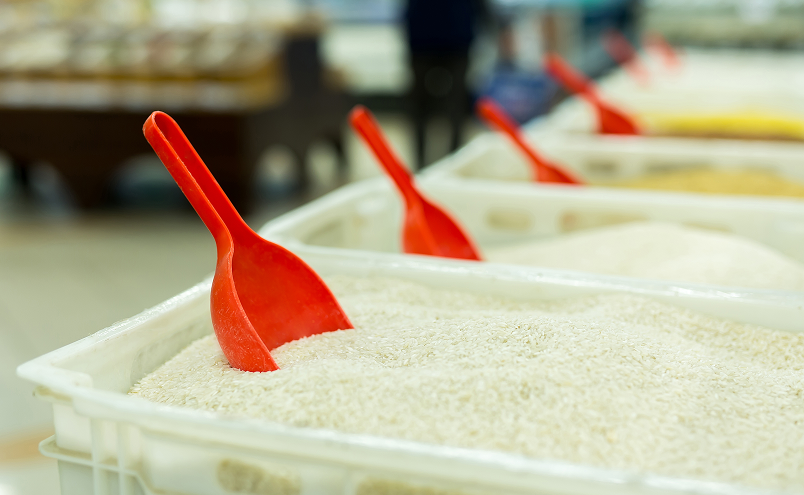
Choosing rice for an Indian meal is not always as simple as picking up the first bag on the shelf. Basmati, Sona Masoori, Ponni and Matta rice all have different textures, aromas and cooking qualities. The variety that works beautifully in a biryani may not be the best choice for curd rice or a traditional Kerala meal.
For families across the UK, finding these varieties has become much easier. Indian supermarkets, South Asian grocery stores and online retailers now offer rice from different regions, making it possible to recreate more traditional dishes at home.
Whether you are preparing a weekend biryani, a quick curry and rice dinner or a South Indian breakfast, this guide will help you understand Indian Rice in UK, choose the right variety and get better results in your kitchen.
Which Indian Rice Should You Buy?
If you are unsure where to start, use this simple guide:
| Dish or Meal | Recommended Rice | Why It Works |
| Biryani | Basmati | Long, aromatic grains |
| Pulao | Basmati | Fragrant and light |
| Everyday curry and rice | Sona Masoori | Soft and versatile |
| South Indian meals | Ponni Rice | Works well with traditional accompaniments |
| Kerala-style meals | Matta Rice | Firm, hearty texture |
| Idli and dosa | Idli Rice | Suitable for fermented batter |
The important thing is not to find one rice that works for everything. It is to have the right rice for the dishes you actually enjoy cooking.
Why Does the Right Indian Rice Matter?
Rice may seem like a simple ingredient, but the variety can change the finished dish considerably. Grain length, aroma, starch and texture all influence how rice behaves during cooking.
Think about biryani. You want the grains to look long and separate, with enough aroma to complement the spices. For curd rice, a softer texture is more desirable. A traditional Kerala meal calls for something quite different again.
Choosing the right variety can help you:
- Get a more suitable texture for your recipe
- Bring out the aroma of spices and other ingredients
- Recreate regional Indian dishes more closely
- Avoid rice becoming too sticky or undercooked
- Explore different styles of Indian cooking at home
This also gives you more flexibility when shopping for other ingredients, including spices, lentils, vegetables and Indian Cooking Pastes UK households use for convenient curry preparation.
6 Indian Rice Varieties Worth Knowing
1. Basmati Rice
Basmati is probably the first rice that comes to mind when many people think of Indian cooking. Its long, slender grains and distinctive aroma make it especially popular for biryani and pulao.
When cooked properly, the grains can remain light and separate rather than clumping together. This makes Basmati a good match for dishes where the rice itself is an important part of the presentation.
Best for:
- Biryani
- Pulao
- Jeera rice
- Rice served with rich curries
Cooking tip: Rinse gently before cooking and soak the rice when recommended for the particular variety.
2. Sona Masoori Rice
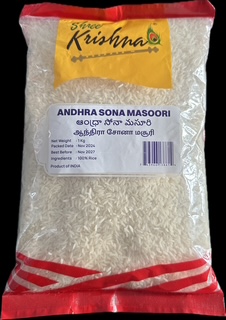
Sona Masoori is a practical choice for everyday cooking. It is lighter and less aromatic than Basmati, which makes it suitable when you want the rice to work alongside the main dish rather than dominate it.
It is often used with dal, vegetables and preparations such as curd rice.
Best for:
- Everyday meals
- Dal and rice
- Curd rice
- Simple vegetable dishes
Cooking tip: Adjust the water according to the texture you prefer and the instructions on the packet.
3. Ponni Rice
Ponni rice is closely associated with South Indian cooking and is a useful option for traditional family meals. It pairs naturally with dishes such as sambar, rasam and vegetable preparations.
For households that regularly cook South Indian food, Ponni can be a useful alternative to keeping Basmati for every meal.
Best for:
- South Indian meals
- Rice with sambar
- Rice with rasam
- Everyday family cooking
Cooking tip: Follow the recommended cooking method because the water requirement can differ from long-grain varieties.
4. Matta Rice
Matta rice, also known as Kerala red rice, has a distinctive appearance and a firm, hearty texture. It is particularly associated with Kerala cuisine and works well with substantial curries and traditional meals.
If you enjoy exploring regional Indian food, Matta is worth having in your cupboard.
Best for:
- Kerala-style meals
- Traditional rice dishes
- Hearty curries
Cooking tip: Matta generally needs more cooking time than some everyday white rice varieties, so allow enough time for the grains to soften.
5. Idli Rice
Idli rice has a different role in the kitchen. Rather than being mainly used as cooked table rice, it is commonly used when making idli and dosa batter.
The rice is soaked, ground and combined with other ingredients before fermentation. Using an appropriate rice variety can contribute to the texture of the finished batter.
Best for:
- Idli
- Dosa
- Fermented South Indian batter
Cooking tip: Follow your chosen batter recipe for soaking, grinding and fermentation times.
6. Jeera Rice
Jeera rice is actually a seasoned rice preparation rather than a separate rice variety. It is commonly prepared using Basmati and flavoured with cumin and other spices.
It is a simple way to turn plain rice into an aromatic side dish.
Best for:
- Dal
- Butter-style curries
- Rich vegetarian curries
- Chicken and lamb dishes
Cooking tip: Lightly toast the cumin before combining it with the rice to release its aroma.
Basmati vs Sona Masoori vs Ponni vs Matta
Still not sure which variety belongs in your shopping basket? This comparison gives you a quick overview.
| Feature | Basmati | Sona Masoori | Ponni | Matta |
| Grain | Long and slender | Medium | Medium | Thick |
| Aroma | Pronounced | Mild | Mild | Distinctive |
| Texture | Light and fluffy | Soft | Soft | Firm |
| Best suited to | Biryani, pulao | Everyday meals | South Indian dishes | Kerala meals |
| Typical use | Special and everyday dishes | Daily cooking | Traditional meals | Regional cooking |
Rather than choosing based purely on price or popularity, think about your normal weekly menu. Someone who makes biryani regularly may get more value from a good Basmati, while a household cooking rice with dal most days may prefer Sona Masoori.
Which Rice Is Best for Your Favourite Indian Dish?
One of the easiest ways to choose rice is to start with the dish rather than the packet.
Making Biryani? Go for Basmati
Basmati’s long grains and aroma work particularly well with biryani. The rice can absorb the flavour of saffron, spices, herbs, vegetables or meat while maintaining a light texture when prepared carefully.
Making Pulao? Basmati Works Well
Pulao relies on fragrant rice and whole spices. Basmati gives the dish a pleasant aroma without making it feel too heavy.
Making Curd Rice? Try Sona Masoori
Curd rice is all about a soft, comforting texture. Sona Masoori can be a practical choice because it works well in softer rice preparations.
Preparing a South Indian Meal? Consider Ponni
Ponni rice pairs naturally with sambar, rasam, vegetable curries and other South Indian accompaniments.
Cooking Kerala Food? Try Matta
Matta rice has a firm texture that stands up well to hearty Kerala-style curries and traditional meals.
Making Idli or Dosa? Choose Idli Rice
For fermented batter, use rice intended for idli and dosa preparation rather than relying on your everyday cooked rice.
How to Choose the Best Indian Rice in UK
With so many products available, it helps to look beyond the packaging.
Before buying, consider:
- The dish: Choose rice based on what you plan to cook.
- Grain length: Long grains are generally useful for biryani and pulao.
- Texture: Decide whether you prefer fluffy, separate grains or something softer.
- Aroma: Basmati is a strong option when fragrance is important.
- Cooking method: Check the instructions because different varieties behave differently.
- Pack size: Larger bags make sense for families who eat rice frequently.
- Packaging: Look for sealed, intact packaging and clear product information.
- Storage: Consider whether you have a dry, suitable place to keep the rice after opening.
Buying the right rice is often less about finding the “best” product and more about finding the product that suits your cooking habits.
Where Can You Buy Indian Rice in the UK?
UK shoppers have several options when looking for authentic rice varieties.
Indian Supermarkets
Specialist Indian supermarkets often have a wider selection than conventional supermarkets. You may find several Basmati options alongside regional varieties such as Ponni, Matta and Sona Masoori.
South Asian Grocery Stores
A specialist South Asian Groceries UK retailer can be useful when you want more than rice.
You can often shop for:
- Lentils and pulses
- Indian spices
- Flours
- Pickles and chutneys
- Cooking pastes
- Snacks
- Fresh produce
This makes it easier to build a complete grocery basket for Indian and South Asian cooking.
Online Grocery Stores
Online shopping is particularly useful if your local area has limited specialist stores. It also saves the effort of carrying large rice bags home.
Before ordering, check:
- Rice variety
- Pack weight
- Product description
- Packaging
- Delivery information
- Storage instructions
Buying Indian Rice Online? 7 Things to Check
Searching for Indian rice online UK options gives you plenty of choice, but it is still worth checking the details before ordering.
1. Choose the Correct Variety
Do not simply select a product because it says “Indian rice”. Check whether it is Basmati, Sona Masoori, Ponni, Matta or another variety.
2. Check the Pack Size
Consider how frequently your household eats rice. A large bag may be economical for regular use, but a smaller pack is sensible when trying something new.
3. Read the Product Description
Look for information about the rice, its intended uses and cooking instructions.
4. Check the Packaging
Rice should arrive in suitable packaging that protects it from moisture and damage.
5. Consider Storage
Make sure you have enough dry cupboard space, particularly if you are buying larger quantities.
6. Compare Options
If several varieties are available, compare pack sizes and product details rather than automatically choosing the cheapest one.
7. Look at Delivery Information
Check delivery availability and estimated times before placing your order.
How to Cook Indian Rice Without Making It Sticky
Cooking rice well comes down to a few basic habits. You do not need complicated equipment, but you do need to treat each variety according to its characteristics.
Rinse the Rice
Gently rinse the rice before cooking. This removes some surface starch and can help produce a cleaner texture.
Soak When Needed
Some Basmati varieties benefit from soaking before cooking. Follow the product instructions rather than applying the same method to every rice.
Measure the Water
The amount of water required depends on the variety and cooking method. Check the packet instructions and adjust only when you are familiar with how that particular rice behaves.
Avoid Constant Stirring
Frequent stirring can release more starch and may make the rice sticky or cause grains to break.
Let It Rest
Once cooked, keep the rice covered for a few minutes before serving. This allows the remaining moisture to settle through the grains.
Fluff Carefully
Use a fork to loosen the grains gently rather than aggressively mixing the rice.
How to Store Indian Rice at Home
Once you have found a rice variety you enjoy, proper storage helps preserve its quality.
Do:
- Store opened rice in an airtight container.
- Keep it somewhere cool and dry.
- Protect it from moisture and direct sunlight.
- Keep different varieties in separate containers.
- Check packaging information when purchasing.
Avoid:
- Leaving opened bags exposed to humidity.
- Keeping rice close to steam or water.
- Mixing old and newly purchased rice without checking both.
- Buying more than you can reasonably store and use.
If your household eats rice regularly, larger bags can be convenient. If you are experimenting with regional varieties, buying smaller packs first can help you discover what suits your family.
Build an Authentic Indian Meal Around Your Rice
Rice rarely works alone. The right curry, vegetables, dal and accompaniments can turn a simple bowl of rice into a satisfying meal.
Basmati + Chicken Curry + Cooking Paste
A fragrant Basmati works beautifully with a rich chicken curry. On busy weekdays, an Indian cooking paste can simplify the preparation while you add fresh chicken, vegetables and your preferred seasonings.
Sona Masoori + Dal + Fresh Vegetables
For a simple everyday meal, serve Sona Masoori with dal and a vegetable curry. If you shop for Indian Vegetables Online UK, you can use fresh produce to prepare everything from simple stir-fries to traditional vegetable curries.
Ponni Rice + Sambar + Vegetable Sides
Ponni rice is a natural choice for a South Indian meal. Serve it with sambar, rasam and seasonal vegetable dishes for a filling family lunch or dinner.
Matta Rice + Kerala Curry + Pickles
Matta rice pairs well with the bold flavours of Kerala-style cooking. Add curry, vegetables and pickles for a traditional combination.
And don’t forget fruit after the meal. Fresh Indian Fruits UK shoppers can look for familiar varieties to enjoy as a snack, dessert or refreshing finish to a spicy meal.
Indian Rice for Busy UK Families
Traditional food does not have to mean spending hours in the kitchen every day.
Rice can form the base of quick meals such as:
- Rice and dal
- Vegetable rice
- Lemon rice
- Curd rice
- Rice with leftover curry
- Simple pulao
- Weekend biryani
For families with different tastes, keeping two or three varieties in the cupboard can be useful. Basmati can cover biryani and pulao, while Sona Masoori or Ponni can take care of everyday meals.
This small change can also encourage you to explore regional recipes instead of using the same rice for everything.
Why Online Grocery Shopping Makes Indian Cooking Easier
For many UK households, the biggest advantage of online grocery shopping is convenience. You do not need to travel to several shops simply to find a particular rice variety or cooking ingredient.
A well-stocked online grocery shop can allow you to purchase rice alongside:
- Indian spices
- Lentils and pulses
- Cooking pastes
- Pickles and chutneys
- Indian vegetables
- Fresh fruits
- Snacks and sweets
For customers looking for Online Groceries in UK, this can make regular shopping simpler while still giving them access to ingredients used in traditional recipes.
Indian Rice and the Wider South Asian Kitchen
Rice is an important part of many South Asian cuisines, and exploring different regional products can make home cooking more interesting.
If you also enjoy Sri Lankan food, for example, specialist retailers can be useful for finding rice, coconut products, spices, pickles and other ingredients used in Sri Lankan recipes. A Sri Lankan Shop UK option may therefore be worth exploring alongside Indian and wider South Asian grocery stores.
Indian and Sri Lankan cuisines are distinct, but both offer plenty of opportunities to combine rice with vegetables, curries, lentils and aromatic spices.
Shop Indian Rice and South Asian Groceries with Global Foods
Finding authentic ingredients should make cooking easier rather than more complicated.
At Global Foods, UK customers can explore a range of Indian and South Asian grocery essentials for everyday meals and traditional recipes. Rice can be combined with spices, cooking ingredients, fresh produce and other pantry staples to create a convenient weekly shop.
Whether you are looking for Basmati for a family biryani, Ponni rice for a South Indian meal or ingredients to make your everyday curry and rice more interesting, choosing suitable products can make a noticeable difference.
Final Verdict: Which Indian Rice Should You Choose?
There is no single answer to which Indian rice is best. The right choice depends on the dish, the texture you prefer and how you normally cook at home.
Choose Basmati for:
- Biryani
- Pulao
- Jeera rice
- Rich curries
Choose Sona Masoori for:
- Everyday meals
- Dal and rice
- Curd rice
- Softer preparations
Choose Ponni for:
- South Indian meals
- Sambar
- Rasam
- Everyday family cooking
Choose Matta for:
- Kerala-style meals
- Hearty curries
- Traditional regional dishes
Choose Idli Rice for:
- Idli
- Dosa
- Fermented batter
For UK households, access to specialist shops and online grocery retailers means you no longer have to rely on a single type of rice. Trying different varieties can help you discover what works best for your favourite dishes and bring more regional flavours into your kitchen.
We at Global Foods make it easier for customers across the UK to explore Indian and South Asian grocery essentials. Browse our range of rice and complementary ingredients for your favourite recipes, and
Contact Global Foods if you need help finding the products you are looking for.
Frequently Asked Questions (FAQs)
1. What is the best Indian rice in the UK?
The best Indian rice depends on the dish. Basmati is a popular choice for biryani and pulao because of its long, aromatic grains, while Sona Masoori and Ponni are practical options for many everyday meals.
2. Which Indian rice is best for biryani?
Good-quality Basmati is commonly preferred for biryani because its long grains and natural aroma work well with spices, meat and vegetables. When cooked carefully, the grains can remain separate and fluffy.
3. Where can I buy Indian rice in the UK?
You can buy Indian rice from specialist Indian supermarkets, South Asian grocery stores, Asian food shops and online grocery retailers. Online shopping can be particularly convenient if you live away from specialist stores.
4. What is the difference between Basmati and Sona Masoori rice?
Basmati has long, slender grains and a distinctive aroma, making it well suited to biryani and pulao. Sona Masoori is lighter and more versatile, making it useful for everyday meals, dal and softer preparations such as curd rice.
5. How should Indian rice be stored at home?
Store Indian rice in an airtight container in a cool, dry place away from moisture and direct sunlight. Keep different varieties separate and avoid leaving opened rice exposed to humidity.
 Home
Home  Whishlist
  Compare
  Checkout
  Account