









No products in the cart.
Craving Indian Rice in UK? Here is Your Complete Guide

Walk into any modern UK kitchen today and you will likely find one thing in common-rice on the shelf. But not just any rice. Indian rice, especially basmati, has quietly become a favourite among families who love flavour-packed home cooking.
Over the past few years, the demand for Authentic Foods Online UK has grown rapidly. People are no longer satisfied with basic supermarket options. Instead, they are looking for ingredients that bring real taste, tradition, and depth to their meals at home.
Rice sits at the heart of this shift. Whether it is a simple weekday dinner or a full Sunday biryani, it is hard to imagine Indian cooking without it. What makes Indian rice different is not just the grain itself, but the experience it creates on the plate-light, fragrant, and full of character.
And once you start exploring it, you also discover other essentials like Indian spices, lentils, and even items such as Indian Cooking Pastes UK that save time without compromising taste.
A Closer Look at Indian Rice Varieties You will Find in the UK
One thing that surprises many UK shoppers is just how many types of Indian rice exist. Each one has its own personality and purpose in cooking.
Karupu Kavuni Rice is known for its deep colour, rich nutritional value, and naturally earthy flavour. This traditional rice variety develops a soft, slightly chewy texture when cooked, making it a popular choice for desserts, festive dishes, and wholesome meals with authentic South Indian flavour.
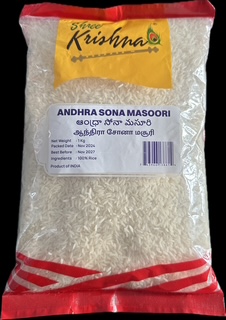
Then there is Sona Masoori, a lighter rice often used in everyday Indian households. It is soft, easy to digest, and ideal for simple dal-rice meals.
Ponni Boiled Rice is known for its soft texture and nutritional value due to the boiling process before milling. It is widely used in South Indian households for everyday meals and traditional dishes.
For those looking for healthier rice options, red raw rice is a great choice. It has a rich, earthy flavour and contains more fibre, making it a nutritious option for everyday meals.
There are also special rice varieties used during festivals or for specific regional dishes, which you will often find in stores offering Indian Vegetables Online UK and other grocery essentials.
Indian Rice Types Comparison
| Rice Type | Best Use | Texture | Health Benefit |
| Karupu Kavuni Rice | Traditional desserts, festive dishes, healthy meals | Soft with a slightly chewy texture | Rich in antioxidants, fibre, and nutrients |
| Sona Masoori Rice | Daily meals, pulao, steamed rice | Light and soft | Easy to digest and lower in calories |
| Ponni Boiled Rice | South Indian meals, idli, dosa, everyday cooking | Firm and fluffy | Retains nutrients during processing and supports digestion |
| Red Raw Rice | Traditional meals, healthy diets, curries | Slightly dense and chewy | High in fibre, iron, and essential minerals |
What Makes Indian Rice So Different?
If you have ever cooked regular supermarket rice and then tried basmati, the difference is instantly noticeable.
Indian rice is known for its fragrance. Even before cooking, good basmati releases a light, natural aroma that hints at what is coming.
Once cooked, the grains stay long and separate. This is one of the biggest reasons it is preferred for dishes like biryani. Nobody likes sticky rice in a layered dish, and Indian rice avoids that problem completely.
Another key feature is how well it absorbs flavours. Whether you are cooking spicy curry, mild vegetables, or rich gravy, the rice takes in the essence without losing its own identity.
This balance is what makes it a staple in homes that enjoy traditional cooking.
Where UK Shoppers Are Buying Indian Rice Today
Buying ingredients has changed a lot in the UK. Earlier, people depended only on local shops. Now, things are much more flexible.
Local Indian grocery stores still play a big role. They are trusted, familiar, and often stocked with fresh arrivals. Many families prefer them for weekly shopping.
However, online shopping has completely changed the game. Platforms offering Indian Rice in UK options now deliver directly to your doorstep, saving time and effort.
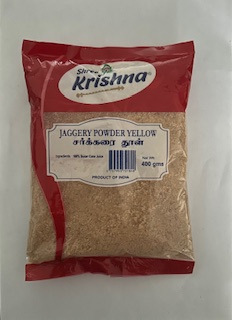
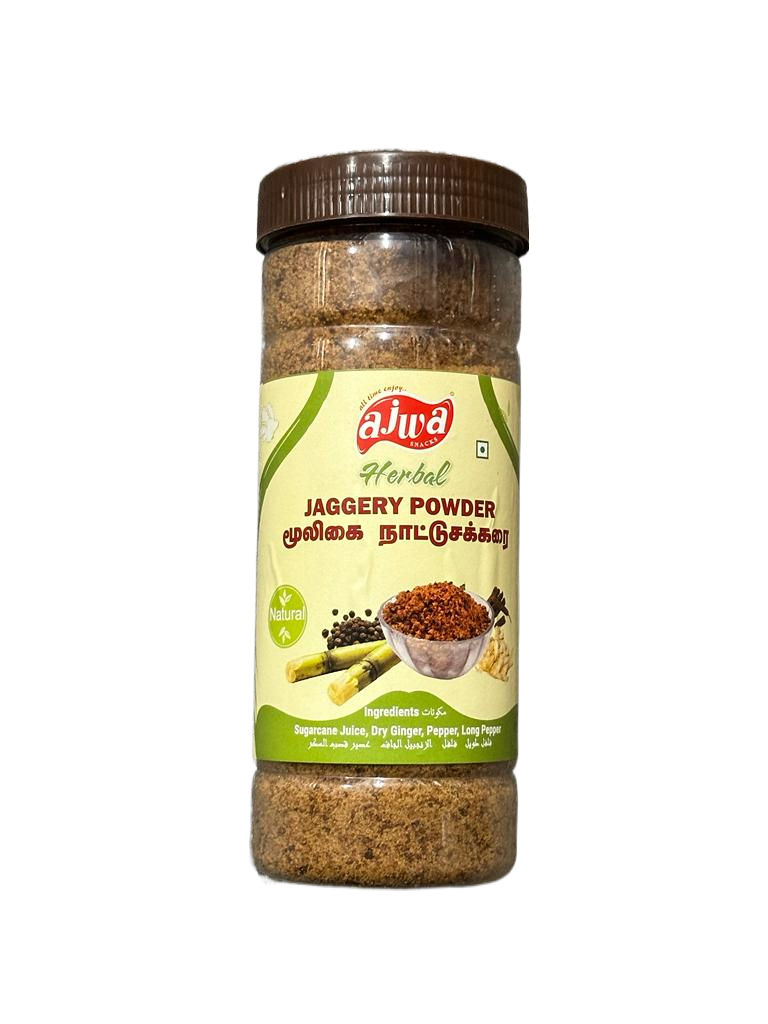
Online stores also make it easier to explore full categories like spices, grains, and even Indian Sugar Products UK used in traditional desserts like kheer or gulab jamun.
The biggest advantage of online shopping is variety. You are not limited to what is on the shelf-you can choose from multiple brands, grain types, and price ranges.
When buying, always check packaging, brand reputation, and reviews. Freshness and proper storage matter more than anything else.
Where to Buy Indian Ingredients in UK
| Option | Best For | Advantage |
| Local Indian stores | Fresh shopping | Personal selection |
| Supermarkets | Quick purchase | Easy access |
| Online grocery stores | Full variety | Doorstep delivery |
Choosing the Right Indian Rice Brand in the UK
Not all rice is the same, even within basmati. Brand quality plays a big role in how your dish turns out.
Premium aged basmati rice usually gives the best results. It cooks evenly, smells better, and stays fluffy. It is often used in restaurants for a reason.
Budget-friendly options are also available and work perfectly well for daily meals. The difference is usually in aroma intensity and grain length consistency.
When choosing, think about your cooking style:
- For biryani or guests → go premium aged rice
- For everyday meals → standard basmati or sona masoori
- For health focus → brown basmati
Over time, most people in the UK end up trying a few brands before settling on what suits their taste.
Simple Tips to Cook Perfect Indian Rice Every Time
Cooking rice sounds easy, but small mistakes can change everything.
Start by rinsing the rice properly. This removes extra starch and prevents clumping. Many people skip this step, but it makes a big difference.
Soaking for 20-30 minutes helps the grains expand and cook evenly. It also improves texture.
Water ratio matters too. Too much water can make rice mushy, while too little can leave it undercooked.
You can cook it in different ways:
- Stovetop method for better control
- Rice cooker for convenience
- Pressure cooker for faster results
One tip many home cooks swear by: avoid stirring while cooking. It breaks the grains and ruins the texture.
Cooking Methods Comparison
| Method | Time | Ease | Result |
| Stovetop | Medium | Medium | Best texture control |
| Rice cooker | Fast | Easy | Consistent results |
| Pressure cooker | Very fast | Medium | Soft texture |
Health Value of Indian Rice in Everyday Meals
Rice is often misunderstood as just carbs, but it plays an important role in balanced meals.
It provides energy, which is why it is a staple in many cultures around the world.
Brown basmati, in particular, is rich in fibre and helps with digestion. It keeps you full for longer and supports healthier eating habits.
It is also naturally gluten-free, making it suitable for people with dietary restrictions.
When combined with vegetables, lentils, or curries, it becomes part of a complete, nourishing meal rather than just a side dish.
Proper Storage Makes a Big Difference
Many people don’t realise that how you store rice affects its quality over time.
Always keep it in airtight containers. This protects it from moisture and insects.
Store it in a cool, dry place away from sunlight. Kitchens with high humidity can affect freshness if rice is left open.
Different types of rice have different shelf lives, but well-stored basmati can last for months without losing quality.
Adding simple natural protectors like bay leaves is a traditional trick still used in many households.
Bringing Authentic Ingredients Into UK Kitchens
Cooking Indian food at home is no longer complicated. With better access to global ingredients, anyone can recreate traditional meals.
Along with rice, many households now regularly buy Indian Cooking Pastes UK to save time while maintaining authentic flavours. These pastes help recreate rich curries without starting from scratch.
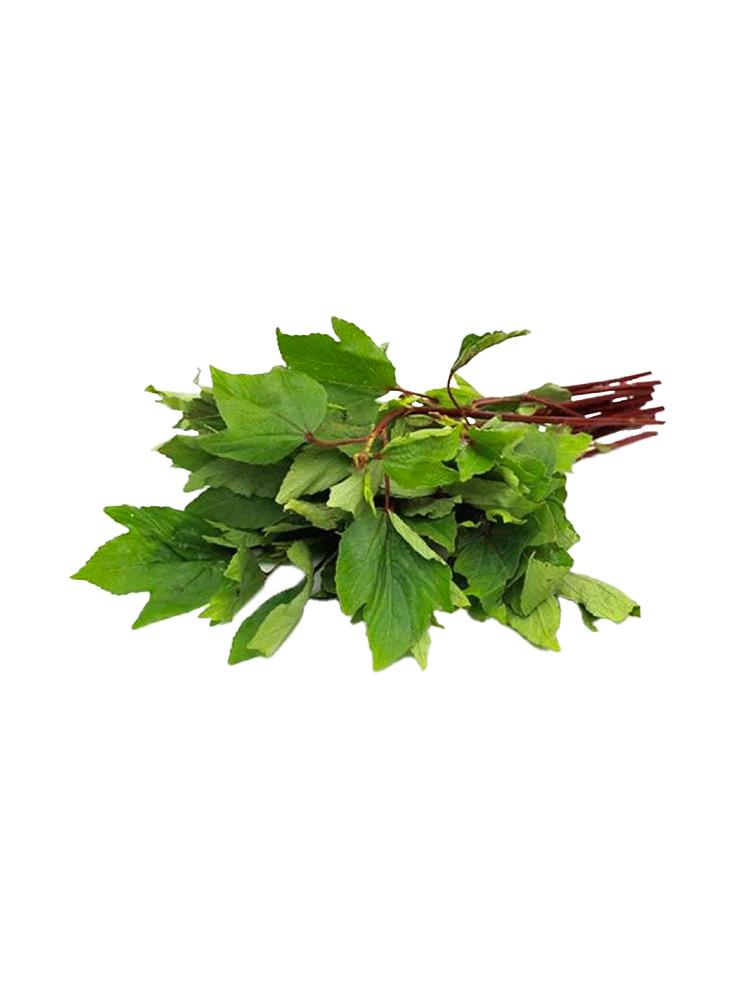
Fresh produce is also easier to find, especially through services offering Indian Vegetables Online UK, which brings everything from okra to curry leaves right to your door.
And of course, sweets play a big role too. That is where Indian Sugar Products UK comes in, helping recreate traditional desserts that feel like home.
Conclusion: Cooking With Confidence in the UK
At the heart of it, Indian cooking is about comfort. It is about food that feels familiar, warm, and full of flavour.
Rice is the foundation of that experience. Once you understand the different types and how to cook them properly, everything else becomes easier.
If you are exploring quality ingredients and want everything in one place, we at Global Foods are here to help bring authentic flavours to your kitchen.
Whether you are cooking a simple meal or preparing something special for guests, having the right ingredients makes all the difference.
Contact Global Foods to explore a wide range of authentic groceries and bring real Indian taste into your home.
Frequently Asked Questions (FAQs)
1. What is the best Indian rice for biryani in the UK?
Aged basmati rice is widely considered the best option for biryani because of its long grains, rich aroma, and fluffy texture after cooking. It absorbs spices well without becoming sticky, helping create authentic restaurant-style biryani at home.
2. Where can I buy Indian rice in the UK?
You can buy Indian rice from local Asian supermarkets, Indian grocery stores, and online platforms selling Authentic Foods Online UK. Online stores often provide a wider choice of basmati, sona masoori, and specialty rice varieties with home delivery across the UK.
3. Is Indian rice healthier than regular white rice?
Some varieties, such as brown basmati rice, contain more fibre and nutrients than standard white rice. They may support digestion better and help keep you fuller for longer, making them a popular choice for balanced meals.
4. How do you stop Indian rice from becoming sticky?
Wash rice thoroughly before cooking to remove excess starch and soak it for around 20-30 minutes. Using the correct water ratio and avoiding over-stirring during cooking also helps keep grains separate and fluffy.
5. How long can Indian rice be stored at home?
When stored in airtight containers in a cool, dry place, most rice varieties can last several months. Proper storage helps maintain freshness, aroma, and quality while reducing moisture and pest exposure.
 Home
Home  Whishlist
  Compare
  Checkout
  Account