










No products in the cart.
Indian Masalas in UK: Best Spices for Authentic Indian Cooking
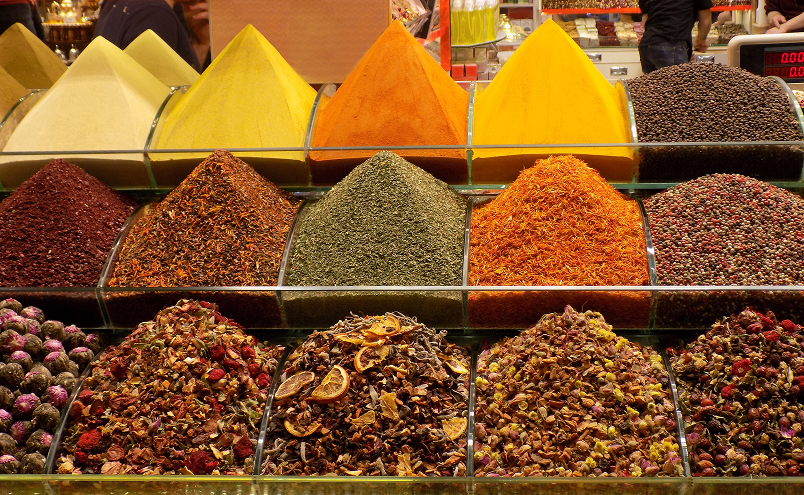
Indian cooking is often remembered for its aroma before the first bite. The smell of cumin sizzling in oil, the warmth of garam masala in a curry or the fragrance of spices rising from a pot of biryani can instantly make a kitchen feel familiar.
For many people living in the UK, recreating those flavours at home is less about complicated cooking and more about having the right ingredients in the cupboard. A good masala can save preparation time while giving a dish the depth and character that individual spices alone may not provide.
The good news is that finding Indian Masalas in UK shops and online grocery stores is easier than it used to be. From everyday curry blends to regional favourites, there are plenty of options for cooks who want to prepare authentic-tasting Indian food at home.
The trick is knowing which masalas are genuinely useful, how they work in different dishes and how to get the best flavour from them.
Start With the Masalas You Actually Cook With
There is no need to fill an entire kitchen shelf with spice packets simply because a recipe calls for them once.
If your family regularly enjoys chicken curry, biryani, chole or South Indian dishes, start with the blends that fit those meals. A smaller collection that you use regularly will usually be more useful than a cupboard full of products that sit untouched.
The word masala simply refers to a mixture of spices, but the ingredients and proportions can vary considerably. A North Indian blend may have a very different flavour from one designed for a South Indian recipe.
Some blends are warm and aromatic. Others are tangy, smoky, earthy or hot. That variety is what makes Indian spice blends so useful across different styles of cooking.
Masala, Ground Spice or Whole Spice?
These terms can sometimes be confusing when you are shopping.
Whole spices such as cumin seeds, cloves, cardamom, cinnamon and mustard seeds are often fried or toasted at the beginning of a recipe to release their aroma.
Ground spices such as turmeric, cumin powder and coriander powder give you more control over the seasoning and are often added during the cooking process.
Blended masalas combine several spices into one product. They are especially convenient when you want a particular flavour without measuring multiple ingredients separately.
For a busy UK household, that convenience can be a real advantage.
Six Masalas That Deserve a Place in Your Kitchen
Rather than choosing products simply because they are popular, think about the meals you make most often.
| Masala | What It Brings to a Dish | Good For |
| Garam Masala | Warm, fragrant and aromatic | Curries, vegetables and rice |
| Tandoori Masala | Smoky, spicy and savoury | Chicken, paneer and vegetables |
| Biryani Masala | Rich and fragrant | Biryani and flavoured rice |
| Sambar Masala | Earthy and spicy | Sambar, lentils and vegetables |
| Chaat Masala | Tangy, salty and savoury | Chaat, fruit and snacks |
| Curry Masala | Balanced and aromatic | Everyday curries |
- Garam Masala: This is one of the most versatile blends to keep available. It can add warmth to a curry, bring fragrance to vegetables and give rice dishes an extra layer of flavour. Many recipes use it towards the end of cooking, allowing its aroma to remain noticeable.
- Sabzi Masala: Sabzi masala is a versatile blend that adds a balanced, aromatic flavour to vegetable dishes. It works well with potatoes, cauliflower, peas, carrots and mixed vegetables, making everyday sabzi quick and flavourful.
- Biryani Masala: If biryani is a regular family favourite, this is an obvious cupboard essential. It brings together fragrant spices that complement the rice and other ingredients.
- Sambar Masala: For anyone who enjoys South Indian food, sambar masala is worth having. It works with lentils and vegetables to create the distinctive flavour associated with this comforting dish.
- Chaat Masala: Chaat masala has a completely different personality. Its tangy and savoury flavour works particularly well with snacks, salads and fresh fruit.
- Curry Masala: A good curry masala can become a dependable weeknight ingredient. It is useful when you want to prepare a flavourful curry without measuring several individual spices.
What About Tikka, Rasam and Chole Masalas?
The six blends above make a useful starting point, but they are not the only ones worth considering.
Tikka masala can be useful for tomato-based dishes and marinades, particularly with chicken and paneer.
Rasam masala is a good choice for South Indian kitchens where rasam is regularly prepared.
Chole masala is designed to complement chickpea dishes and can be particularly useful when preparing chole at home.
The important thing is not to buy everything at once. Build your collection around your cooking habits.
That way, the spices you purchase become part of your weekly meals rather than forgotten packets at the back of a cupboard.
How to Choose a Masala When You Are Shopping
Standing in front of a shelf filled with different brands can make choosing a spice blend surprisingly difficult.
The packaging may look attractive, but there are a few more useful things to consider.
Check the Ingredients
Look at what actually goes into the blend. If you are familiar with the recipe you want to prepare, this can help you choose a product that suits the flavour you are looking for.
Think About Freshness
Dried spices do not stay equally aromatic forever. Air, moisture, heat and sunlight can gradually affect their flavour.
Look for properly sealed packaging and check the date information before buying.
Buy According to Your Cooking Habits
There is little value in buying a large packet of a masala you might use once a year.
If you cook Indian food regularly, versatile blends such as garam masala or curry masala may make more sense as everyday purchases. Specialist blends can then be added when you need them.
Consider Whole Spices Too
Ready-made blends are convenient, but whole spices give you another way to build flavour. Keeping a few basics such as cumin seeds, cardamom, cloves and cinnamon in the cupboard can give you greater flexibility.
For shoppers who prefer ordering everything together, an Indian Grocery Online UK store can make it easier to compare masalas alongside rice, pulses, flours and other cooking essentials.
Which Masala Goes With Which Dish?
If you are ever unsure which blend to reach for, this simple guide can help.
| Dish | Masala to Try | Practical Tip |
| Chicken Curry | Curry Masala | Add gradually and taste as you cook |
| Butter Chicken | Tikka Masala | Combine with a rich tomato-based sauce |
| Biryani | Biryani Masala | Add while building the spiced rice mixture |
| Chole | Chole Masala | Stir through chickpeas and gravy |
| Sambar | Sambar Masala | Add with lentils and vegetables |
| Tandoori Paneer | Tandoori Masala | Use as part of a marinade |
These are starting points rather than strict rules. Indian cooking varies from one household to another, and the same dish can be prepared with slightly different spice combinations.
If you prefer a milder flavour, start with less masala and increase it gradually.
Ready-Made Blends or Whole Spices?
The choice often comes down to how much time you have.
On a busy weekday evening, measuring cumin, coriander, cardamom, cloves and several other spices separately can feel like unnecessary work. A ready-made masala gives you a convenient shortcut.
Whole spices are different. They allow you to build flavour from the beginning of the dish.
For example, frying cumin seeds in hot oil before adding onions can create an aromatic base. Cardamom, cinnamon and cloves can also be used in rice dishes and curries to add fragrance.
You do not have to choose one approach permanently.
Many home cooks use whole spices at the start and a small amount of blended masala later. This gives the dish several layers of flavour without making preparation overly complicated.
One Cooking Mistake to Avoid
If a curry tastes weak, adding more and more masala is not always the solution.
Sometimes the spices simply need more time to cook with the other ingredients. In other cases, the dish may need better seasoning, a little acidity or a longer simmer.
Ground spices should also be cooked carefully. Too much heat can burn them and create a bitter taste.
When using whole spices, a short period in hot oil is often enough to release their aroma. Once they become fragrant, move on with the recipe rather than leaving them to burn.
This is one of those small cooking habits that can make a noticeable difference without requiring any complicated technique.
How to Keep Your Masalas Fresh at Home
Even a good masala can lose its character if it is stored poorly.
Keep opened spices in airtight containers and store them somewhere cool and dry. A kitchen cupboard away from direct sunlight is usually a better choice than a shelf beside the cooker.
Steam and heat can affect spices over time, particularly if containers are opened frequently while cooking.
It is also worth keeping your spice cupboard organised. Put older products where you can see them and use them before opening several new packets.
Avoid measuring spices with a wet spoon. Moisture can lead to clumping and affect the product.
Most importantly, buy quantities that match your cooking habits. A smaller, regularly refreshed supply can be more useful than a large collection that sits unused.
Indian Cooking Is About More Than the Masala
Spices may be the heart of many Indian recipes, but they are only part of the overall meal.
A well-stocked kitchen might also include rice, lentils, flours, pickles, chutneys, sauces and other traditional ingredients. Fresh onions, garlic, ginger, herbs and vegetables can make just as much difference to the final dish.
For people exploring different grains, Indian Millets in UK can also be considered alongside everyday staples. Millets can be used in a variety of recipes and offer another option for expanding the ingredients in your kitchen.
Fresh produce has its place too. Fresh Indian Fruits UK shoppers may be looking for familiar varieties for snacks, desserts, fruit salads or simply enjoying fresh fruit at home.
This broader approach is useful for families who cook different South Asian dishes rather than sticking to one regional style.
Why Shopping Online Can Make Things Simpler
Not everyone in the UK lives close to a specialist Indian supermarket.
Even when one is nearby, finding time for an extra shopping trip during a busy week is not always easy. Online grocery shopping gives customers another option.
You can browse spice blends from home, add the rice or pulses needed for a recipe and order other household grocery essentials at the same time.
For families regularly buying South Asian Groceries UK, this can make weekly shopping more straightforward. It is particularly useful when you need several specialist ingredients for a family gathering, festive meal or traditional recipe.
The biggest advantage is not simply convenience. It is being able to plan your grocery shop around the food you actually cook.
Making Indian Grocery Shopping Easier With Global Foods
At Global Foods, we understand that customers often want familiar ingredients without having to visit several different shops.
A weekly grocery order might include a favourite masala alongside rice, lentils, sauces, snacks, fresh produce and other cooking essentials. Having these categories available together makes it easier to plan meals and keep the kitchen stocked.
For customers who cook Indian and other South Asian dishes, this can be particularly useful when preparing family meals or getting ingredients ready for celebrations.
The aim is simple: make it easier for UK households to find the foods they enjoy and use them in their own kitchens.
Rather than buying ingredients just because they are available, choose products that fit the recipes your family actually enjoys. That approach keeps the shopping more practical and the spice cupboard much easier to manage.
Small Changes That Make Masalas Work Better
You do not need to completely change the way you cook to get more from your spices.
Try these simple habits:
- Taste as you go. Start with a moderate amount and adjust once the other ingredients have cooked.
- Layer your flavours. Whole spices can start the dish, while ground spices and finishing masalas can contribute later.
- Give the dish time. A curry often benefits from gentle simmering rather than being rushed.
- Watch the heat. Spices should become fragrant, not burnt.
- Balance strong flavours. Tomato, yoghurt, coconut, tamarind, lemon and fresh herbs can complement spices depending on the recipe.
- Use fresh ingredients. Even an excellent masala cannot compensate for tired vegetables or stale supporting ingredients.
Most importantly, do not be afraid to adapt. Indian home cooking has always varied between regions, families and generations. Your own kitchen does not need to follow one rigid formula.
Building a Practical Indian Spice Cupboard
If you are starting from scratch, you do not need to buy everything in one go.
Begin with one or two blends you use regularly. Garam masala and curry masala are practical starting points for many households. Add biryani, tandoori, sambar, chaat or other specialist blends according to the meals you prepare.
Then build around them with a few whole spices and individual ground spices.
Over time, you will learn which flavours your family prefers and which products disappear from the cupboard first. That is a much better guide than simply following a long shopping list.
Authentic Indian cooking is ultimately about balance. The right masala should support the ingredients rather than hide them.
Conclusion: Bringing Authentic Indian Flavours Into Your UK Kitchen
Good masalas can make traditional cooking easier, but the real value comes from knowing how and when to use them.
A little garam masala can lift a finished curry. Biryani masala can help create fragrant rice for a family meal. Tandoori masala can turn paneer or vegetables into a flavourful grilled dish, while sambar and rasam blends can open the door to more South Indian cooking at home.
For UK households, finding these ingredients no longer needs to be difficult. With specialist stores and convenient online shopping, you can build a kitchen cupboard around the dishes you genuinely enjoy cooking.
We at Global Foods want to make that process simpler by bringing together Indian and wider South Asian grocery essentials for customers across the UK. Whether you are restocking your favourite masalas, exploring Indian Millets in UK, looking for fresh produce or planning a larger grocery shop, choosing the right ingredients can make everyday cooking much more enjoyable.
Explore the range at Global Foods for your next shop, and Contact Global Foods if you need help finding the products you are looking for.
Frequently Asked Questions (FAQs)
1. What are the best Indian masalas for everyday cooking?
Garam masala and curry masala are useful everyday choices, while biryani, tikka and tandoori masalas are helpful for specific dishes. Sambar, rasam and chaat masalas are useful for particular regional recipes.
2. Where can I buy authentic Indian masalas in the UK?
You can buy Indian masalas from specialist Indian supermarkets and online grocery stores serving UK customers. Online shopping is particularly useful when you want several spice blends and other ingredients delivered together.
3. What is the difference between garam masala and curry masala?
Garam masala is generally a warm, aromatic blend used to add fragrance and depth, often towards the end of cooking. Curry masala is typically intended as a broader seasoning for preparing curry dishes.
4. How should I store Indian masalas?
Keep opened masalas sealed in airtight containers and store them in a cool, dry cupboard away from direct sunlight, steam and heat. Avoid keeping them directly beside the cooker.
5. Can Indian masalas be used for vegetarian and vegan dishes?
Yes. Many Indian masalas work well in vegetarian and vegan recipes, including vegetable curries, lentils, chickpeas, rice dishes and plant-based marinades. Always check the ingredient label if you have specific dietary requirements.
 Home
Home  Whishlist
  Compare
  Checkout
  Account