










No products in the cart.
Pooja Items UK – Traditional Items for Your Home
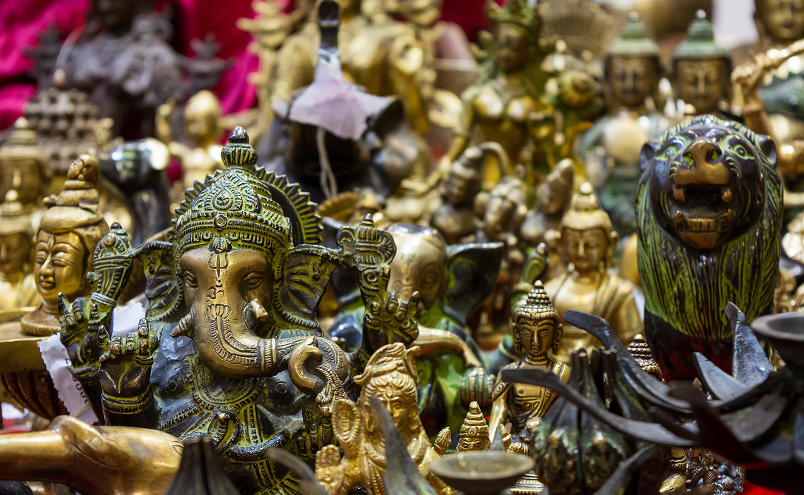
Bringing Traditional Pooja Practices Into UK Homes
For many Indian and South Asian families living in the UK, traditions do not stop at the front door. A familiar prayer routine, a diya lit in the evening or a pooja prepared before a festival can bring a strong sense of connection to family and culture. Having the right Pooja Items UK at home also makes it easier to continue these meaningful traditions and prepare for special occasions.
The good thing is that keeping a pooja space at home does not require a large room or an elaborate setup. A clean shelf, a small table or a dedicated corner can be enough. What matters is having the items your family actually uses and keeping them ready when they are needed.
This can sometimes be challenging in the UK, particularly if there is no specialist Indian shop close to home. Online shopping offers a practical solution. Instead of making separate trips for individual products, families can look for traditional pooja essentials alongside their usual grocery shopping.
Whether you are preparing for Diwali, Navaratri or simply maintaining a daily prayer routine, having the right Pooja Items UK at home can make preparation much easier.
Start With the Pooja Essentials You Use Most
There is no universal shopping list for every household. Pooja traditions can vary between families, regions and communities. Some people may perform prayer every day, while others mainly use their pooja items during festivals or special occasions.
Rather than buying everything at once, it makes sense to start with the products that are part of your family’s regular routine.
A Diya for Daily and Festival Prayer
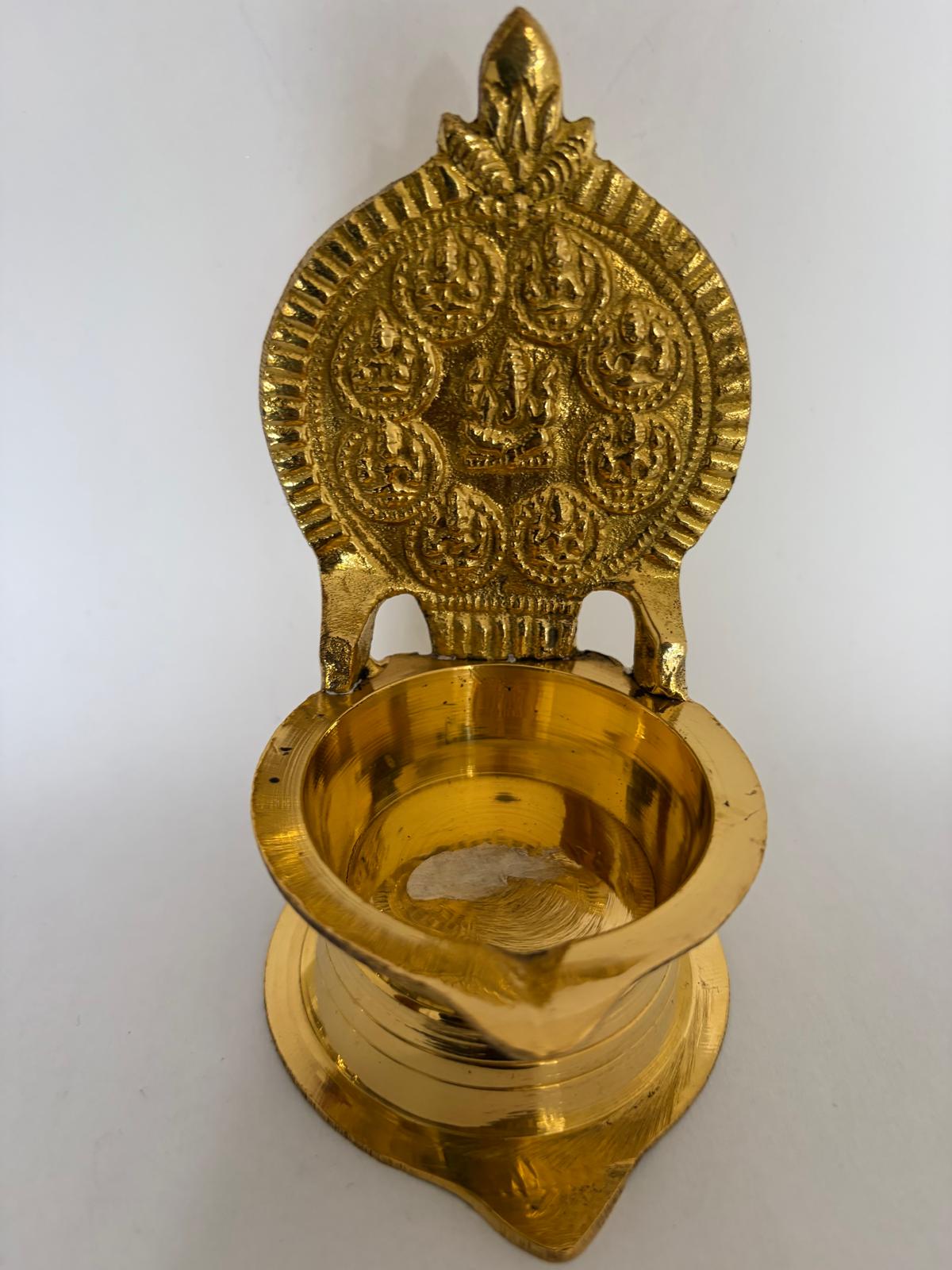
The diya is one of the most familiar parts of an Indian pooja setup. Many families light one during regular prayer, while festivals such as Diwali may call for several lamps around the home.
If you use diyas regularly, keep a suitable lamp and spare cotton wicks together so they are easy to find. For festival preparation, you can then add extra lamps if required.
Kumkum, Turmeric and Rice
Small quantities of kumkum, turmeric and rice are commonly kept as part of a home pooja setup. They can be used during prayer, ceremonies and festival rituals according to individual family customs.
Small containers with secure lids are useful for keeping these products organised. It also makes your pooja area look tidier than leaving several open packets around the space.
Incense and Dhoop
For many households, incense is part of the familiar atmosphere of prayer. Sandalwood, jasmine, rose and other fragrances are widely used, although personal preference often determines which one a family chooses.
Dhoop is another traditional option. Whichever product you use, keep a suitable holder nearby and place burning incense on a stable, non-flammable surface.
Camphor for Aarti
Camphor is commonly associated with aarti and is kept in many traditional pooja collections.
It does not require much storage space, so keeping a pack available can be useful when preparing for prayer or a festival. Since it is burned during use, store it safely away from children, heat and other flammable materials.
Oil or Ghee for Lighting Diyas
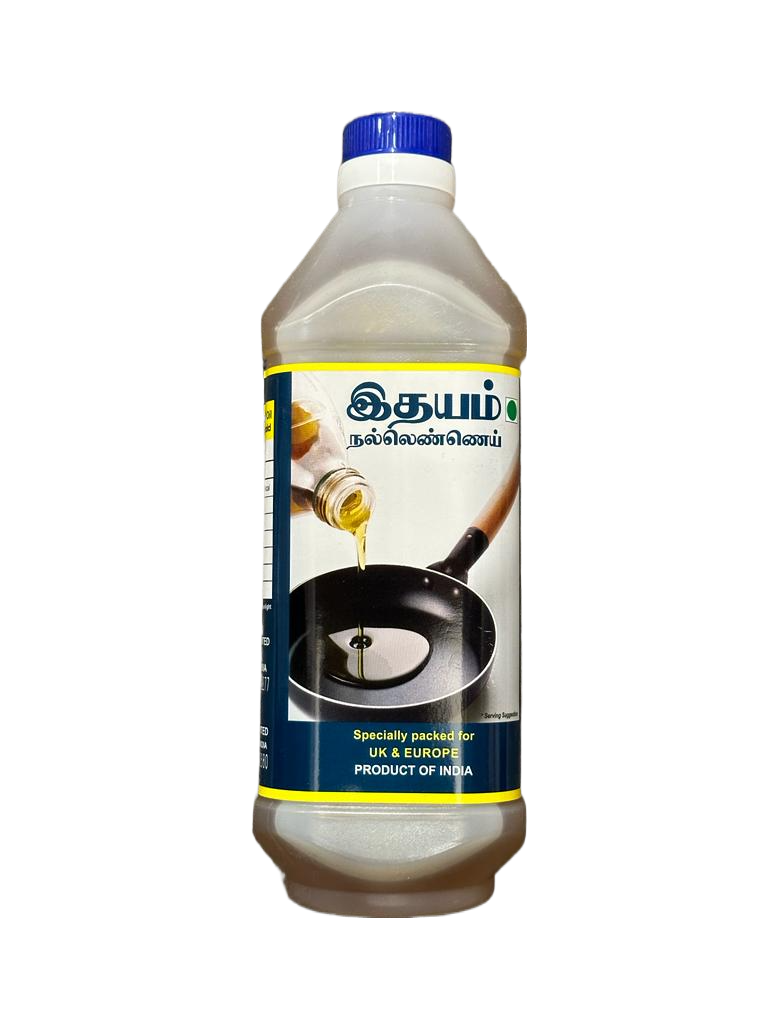
Oil and ghee are commonly used with traditional lamps. The choice depends on the type of diya and the practices followed in your household.
If you regularly light lamps, keeping the product you use in a dedicated container can make preparation quicker. Always place the diya on a stable, heat-resistant surface and never leave a burning lamp unattended.
A Pooja Thali Keeps Things Together
A pooja thali is useful when several small items are needed at the same time. Depending on your family’s routine, it may hold kumkum, turmeric, rice and other essentials.
Small bowls and containers can also help separate different products and keep everything ready for use.
Pooja Item + Purpose Table
| Pooja Item | Common Use |
| Diya | Lighting during prayer and festivals |
| Cotton Wicks | Used with diyas and traditional lamps |
| Kumkum | Used during prayer, ceremonies and auspicious occasions |
| Turmeric | Commonly used in traditional rituals and offerings |
| Incense Sticks | Adds fragrance during prayer |
| Dhoop | Used as part of traditional worship |
| Camphor | Commonly used during aarti |
| Pooja Thali | Keeps prayer essentials organised |
| Oil or Ghee | Used for lighting diyas |
What Should Be Ready Before a Festival?
Festival shopping is where a little preparation can make a noticeable difference. Instead of discovering that something is missing on the day of the celebration, check your supplies a week or two beforehand.
The exact requirements will depend on your family tradition, but this general guide can help you begin.
| Occasion | Items You May Need |
| Diwali | Diyas, cotton wicks, incense, kumkum and camphor |
| Navaratri | Kumkum, turmeric, incense, lamps and offerings |
| Ganesh Chaturthi | Diya, incense, kumkum, turmeric and offerings |
| Janmashtami | Pooja thali, lamps, incense and devotional items |
| Lakshmi Pooja | Diyas, kumkum, turmeric, incense and offerings |
Food preparation is often part of these celebrations too. Families may need ingredients for traditional dishes as well as sweets and snacks to offer guests.
That is one reason combining pooja shopping with your normal grocery order can be particularly convenient for UK households.
A Quick Home Check Before You Order
Before adding products to your basket, take a few minutes to see what you already have.
Check your:
- Diyas and lamps
- Cotton wicks
- Incense and dhoop
- Kumkum and turmeric
- Camphor
- Pooja oil or ghee
- Pooja thali and small containers
- Festival-specific items
This simple check can prevent unnecessary purchases and help you spot the products that are running low.
It is especially useful before major festivals when many families are shopping for similar items at the same time.
How to Shop for Pooja Products Online With Confidence
Shopping online is convenient, but convenience should not mean buying without checking the details.
Start with the product description. Look at the quantity, size, material and any other information provided. If the item is a consumable product, check the available ingredient and packaging information.
Pack size also matters. A family that uses incense every day may prefer a larger pack, while someone who only needs it for occasional prayer may be perfectly happy with a smaller quantity.
The same applies to accessories. If you already own a pooja thali, there may be no reason to purchase another one simply because it appears in a festival collection.
Most importantly, choose products based on your own household traditions rather than assuming that every pooja requires the same set of items.
Why Online Shopping Makes Sense for UK Families
Imagine preparing for a festival after a full week of work and family commitments. You still need groceries, cooking ingredients, sweets, snacks and pooja essentials. If the nearest specialist shop is a long drive away, making several shopping trips can quickly become inconvenient.
Ordering online gives you the chance to make your list at home and check everything before placing the order.
It can also be useful for customers who regularly shop for South Asian Groceries UK. Instead of treating pooja supplies as a completely separate shopping task, you can plan them alongside the ingredients and food products you already buy.
For families looking for an Authentic Foods Online UK shopping experience, this wider choice can also make it easier to find familiar products for everyday cooking and special occasions.
The benefit is not simply saving time. It is being able to plan your shopping around the way your family actually lives.
Don’t Forget the Food Behind the Celebration
Pooja and food often go hand in hand.
A festival may involve preparing a traditional meal, offering food during prayer or serving relatives and friends who visit the home. This means your festival shopping list may be much longer than your pooja list alone.
For example, families searching for Indian Sweets & Snacks UK may want to keep something ready for guests during celebrations. Snacks can also be useful when relatives visit throughout the day.
Fresh produce can be just as important for traditional meals. Customers looking for Fresh Indian Fruits UK can include fresh fruit in their wider household shopping where available.
And for families who enjoy Sri Lankan cuisine, having access to a Sri Lankan Shop UK range can make it easier to include familiar ingredients and foods in everyday meals and celebrations.
Thinking about food and pooja requirements together can make festival preparation much more organised.
Creating a Pooja Corner That Works for Your Home
You do not need to copy someone else’s pooja room to create a meaningful space.
Look at the space you actually have. A shelf in a quiet part of the home may work perfectly well. A small table can also provide enough room for a diya, pooja thali and the products you use regularly.
Keep frequently used items within easy reach, but avoid overcrowding the area. Smaller products can be stored in labelled containers or a dedicated box nearby.
It is also worth considering safety when deciding where to place your pooja items. Incense, camphor and diyas involve heat or flame, so they should be kept away from curtains, paper, furniture and anything else that could catch fire.
If children are around, take additional care and never leave a burning diya, incense stick or camphor unattended.
The aim is not to create the most elaborate pooja corner. It is to create one that feels peaceful, practical and appropriate for your family.
Keeping Traditional Habits Simple
One of the easiest ways to maintain a regular pooja routine is to avoid making preparation complicated.
Keep your most-used items together. Check your supplies periodically. Replace products when they are running low rather than waiting for a festival.
You can also keep a separate festival checklist. For example, when Diwali approaches, check the number of diyas and cotton wicks you have, then look at your incense, camphor, kumkum and other essentials.
This small habit can make a busy celebration feel much more manageable.
It can also help families introduce younger members to traditional practices. Children can learn what different items are used for, help arrange a pooja thali or take part in preparing the home for a festival.
These everyday moments are often what keep traditions alive across generations.
Making Global Foods Part of Your Festival Shopping
Festival preparation is easier when you can plan several parts of your shopping together.
Global Foods provides an online destination for UK customers looking for Indian and South Asian grocery products. This makes it possible to approach your shopping as one overall list rather than several separate errands.
You may be preparing pooja essentials, looking for ingredients for a family meal, stocking up on snacks or searching for products connected to a particular regional cuisine.
This is particularly useful for households that regularly purchase South Asian Groceries UK and want their everyday grocery shopping to work alongside their cultural and festival needs.
Rather than buying products simply because they are traditionally associated with a festival, make your list based on what your family actually uses. That way, your shopping remains practical while still supporting the traditions that are important to you.
Your Simple Pooja Shopping List
If you want a quick starting point, keep this checklist handy:
| Shopping Area | Useful Essentials |
| Prayer | Kumkum, turmeric and rice |
| Lighting | Diyas, cotton wicks, oil or ghee |
| Fragrance | Incense sticks and dhoop |
| Aarti | Camphor |
| Accessories | Pooja thali, bowls and containers |
| Festivals | Additional items based on family tradition |
| Food | Ingredients, sweets and snacks for guests |
You can save this list and review it before major celebrations.
The idea is not to buy every item every time. Simply tick off what you already have and replace anything that has run out.
A Few Practical Tips for Festival Shopping
A little planning goes a long way.
- Check your supplies early: Give yourself enough time to replace anything that is missing.
- Keep frequently used products together: This makes everyday prayer preparation quicker.
- Think about storage: Choose a clean, dry place for products that need protection from moisture or heat.
- Check delivery information: If you are ordering for a particular festival, make sure you allow enough time for your order to arrive.
- Plan food and pooja shopping together: This can save time, especially when family and friends are visiting.
- Buy according to your traditions: Pooja practices differ, so there is no need to purchase products that your household does not use.
Why Traditional Shopping Still Matters
Online shopping may change how families purchase products, but it does not have to change the traditions themselves.
A diya can still be lit in the same way. A family can still prepare a pooja thali together. Grandparents can still explain the meaning of familiar rituals to younger family members. The difference is simply that the products can be easier to find when you need them.
For Indian and South Asian families living in the UK, this combination of tradition and convenience can make everyday cultural practices easier to maintain.
Whether you are preparing for a major festival or simply keeping your regular pooja supplies stocked, a little organisation can make a big difference.
Conclusion
A home pooja space does not need to be complicated. Start with the products your family genuinely uses, keep them organised and add festival-specific essentials when an occasion comes around.
Diyas, cotton wicks, kumkum, turmeric, incense, camphor, oil or ghee and a pooja thali can cover many common household needs. From there, your list can grow according to your family’s own traditions.
For families in the UK, online shopping can make it easier to find these traditional products without making several trips to different shops. It can also bring pooja preparation together with everyday grocery shopping, festival food and treats for family and guests.
We at Global Foods understand that traditional celebrations are about much more than individual products. They are about family, familiar food, shared routines and the customs that people continue to carry with them.
Our aim is to make shopping for Indian and South Asian products more convenient for UK households, whether you are preparing for a festival or simply restocking your home.
For your next grocery or festival shopping list, explore the available range and Contact Global Foods if you have questions about your requirements.
Frequently Asked Questions (FAQs)
1. What are the most common pooja items for a home?
Common household essentials include diyas, cotton wicks, incense sticks, kumkum, turmeric, camphor, oil or ghee, rice and a pooja thali. The exact requirements depend on your family’s traditions.
2. Can I buy Pooja Items UK online?
Yes. UK customers can shop online for a range of traditional pooja products, depending on the retailer’s available selection and delivery coverage.
3. What should I buy for Diwali pooja?
Common Diwali pooja essentials include diyas, cotton wicks, incense, kumkum, turmeric and camphor. Families may also need additional items according to their own traditions and the type of Lakshmi Pooja they perform.
4. How can I organise pooja items at home?
Keep frequently used products together in a clean, dry area. A pooja thali can hold smaller items such as kumkum, turmeric and rice, while incense and camphor should be stored safely away from heat.
5. Can I buy Indian groceries and pooja products together?
Depending on the online retailer, you may be able to combine pooja essentials with your regular Indian and South Asian grocery shopping. This can be particularly convenient when preparing for festivals or family gatherings.
 Home
Home  Whishlist
  Compare
  Checkout
  Account